The Invisible Wounds: Understanding the Mental‑Health Challenges Our Veterans Face
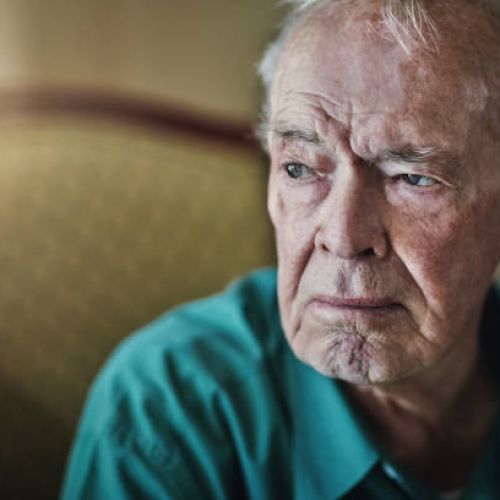
When most people think of military service, images of discipline, courage, and resilience come to mind. But behind the medals and the stories of heroism, many veterans carry invisible wounds - the psychological scars that aren’t immediately visible yet profoundly affect their day‑to‑day lives. Post-Traumatic Stress Disorder (PTSD), depression, anxiety, and other mental‑health challenges are far too common among those who have served. Understanding why these issues exist, recognising the risks, and knowing where to find support are critical steps in helping our veterans lead fulfilling lives after service.
Why Mental‑Health Challenges Exist Among Veterans
Military service exposes individuals to extreme stressors that are uncommon in civilian life. Combat situations, life‑threatening experiences, loss of comrades, and the pressure to perform under intense conditions can leave lasting psychological impacts. These experiences don’t automatically disappear when a service member returns home - in fact, they often intensify in the absence of the structured environment and camaraderie found in the military.
PTSD is one of the most recognised mental‑health challenges among veterans. It can develop after experiencing or witnessing traumatic events, and symptoms may include flashbacks, nightmares, severe anxiety, and emotional detachment. Depression often emerges alongside PTSD or independently, characterised by persistent sadness, loss of interest in activities, and feelings of hopelessness. Anxiety disorders, including panic attacks and obsessive-compulsive tendencies, are also prevalent, as are difficulties with anger management, sleep disturbances, and substance misuse.
It’s important to understand that mental-health challenges are not a sign of weakness. The human brain is wired to respond to trauma - it’s a survival mechanism. However, repeated exposure to extreme stress can overwhelm these coping mechanisms, leading to chronic mental-health conditions. For veterans, these invisible wounds can be compounded by the transition to civilian life, where they may feel misunderstood or isolated.
The Risks: More Than Just Mental Strain
Untreated mental-health issues among veterans carry significant risks, not only for the individual but also for their families and communities. Research shows that veterans with untreated PTSD or depression are more likely to experience relationship breakdowns, unemployment, social withdrawal, and financial instability. The ripple effects can extend to spouses, children, and friends, who may struggle to navigate the emotional impact alongside the veteran.
Moreover, veterans experiencing untreated mental-health challenges are at increased risk of self-harm or suicide. Alarmingly, suicide rates among former service members are higher than the general population, highlighting the urgent need for awareness, early intervention, and sustained support.
It’s also worth noting that many veterans may be reluctant to seek help due to stigma. The “tough it out” culture ingrained in military training can make admitting psychological vulnerability feel like failure. Breaking down these barriers is essential for fostering a culture where mental health is treated with the same seriousness as physical health.
Support Strategies: Helping Veterans Heal
The good news is that there is hope. With the right support strategies, veterans can manage mental-health challenges effectively and lead rich, meaningful lives after service. Support comes in many forms - clinical, peer-based, and community-driven.
1. Professional Mental-Health Services
Access to psychologists, psychiatrists, and counsellors experienced in working with veterans is critical. Evidence-based therapies, such as Cognitive Behavioural Therapy (CBT), Eye Movement Desensitisation and Reprocessing (EMDR), and exposure therapy, have been shown to help veterans process trauma, manage anxiety, and reduce depressive symptoms. In some cases, medication may be prescribed to help manage specific symptoms.
2. Peer Support and Veteran Networks
Connecting with fellow veterans who have faced similar experiences can be transformative. Peer support groups offer a safe environment for sharing stories, reducing feelings of isolation, and learning coping strategies from those who truly understand the military experience. Programs like Wounded Heroes Australia provide structured peer support alongside practical activities that foster camaraderie and belonging.
3. Lifestyle and Holistic Approaches
Physical activity, structured routines, mindfulness practices, and creative outlets such as art or music therapy can play an important role in recovery. Horses4Heroes, for example, offers equine therapy that combines the therapeutic benefits of working with horses with the emotional support of a structured, nurturing environment. Such programs help veterans reconnect with themselves, build resilience, and rediscover purpose outside of military life.
4. Family and Community Engagement
Family members are often the unsung heroes in a veteran’s recovery journey. Education, counselling, and inclusion in support programs can strengthen family resilience, improve communication, and create a supportive home environment. Community involvement, volunteer opportunities, and local veteran networks can further reduce isolation and provide meaningful engagement.
5. Early Intervention and Awareness
Perhaps the most powerful tool in supporting veterans is awareness. Recognising early warning signs - irritability, withdrawal, nightmares, changes in behaviour or mood — can prompt timely intervention. Campaigns and initiatives aimed at destigmatising mental health and encouraging help-seeking behaviour are essential in saving lives and improving outcomes.
Breaking the Silence
The invisible wounds of PTSD, depression, anxiety, and other mental-health challenges are a reality for too many of our veterans. These are not marks of failure but natural responses to extraordinary experiences. Understanding why they exist and recognising the associated risks is crucial, as is ensuring veterans have access to appropriate support strategies.
At Wounded Heroes Australia, our mission is to provide a safe, supportive environment where veterans can find help, build resilience, and reclaim their lives. From peer support programs to therapeutic initiatives, we strive to address both the visible and invisible scars of service. We encourage veterans and their families to reach out - talking about mental health is not a weakness; it is a powerful step toward healing.
As a community, we have a responsibility to stand beside our veterans, acknowledge the sacrifices they have made, and ensure that support is always available. By raising awareness, fostering understanding, and promoting access to mental-health services, we can help our heroes not just survive, but thrive.
If you or someone you know is struggling with mental health, there is help available. Reach out to a trusted professional, connect with veteran support networks, or contact Wounded Heroes Australia to explore the programs and services designed to support you. No one should face the invisible wounds of service alone - together, we can make a difference.