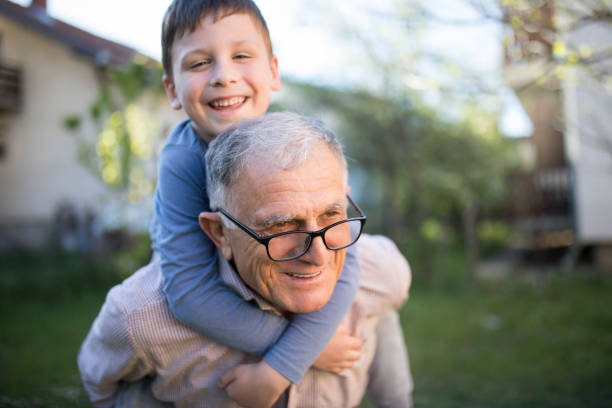
When people think about military service, the focus is often on the individual in uniform. Yet behind every veteran stands a family who also serves—quietly, consistently, and often without recognition. Partners, children, and extended family members experience the impacts of service and transition in deeply personal ways. Supporting veterans effectively means understanding and supporting the families who stand beside them.
Service does not end when the uniform comes off. Nor do its effects. For many families, the challenges begin or intensify during the transition from Defence to civilian life. Recognising the needs of families is essential to ensuring long-term stability, wellbeing, and recovery.
The Hidden Impact of Service on Families
Military life places unique pressures on families. Long deployments, relocations, uncertainty, and exposure to trauma affect not only the service member but also those at home. Over time, these pressures can reshape family dynamics, emotional wellbeing, and financial stability.
Partners may take on additional responsibilities during deployments, often managing households alone while juggling work and caregiving. Children may experience prolonged absences, disrupted schooling, or emotional strain linked to uncertainty and worry. These challenges don’t disappear once service ends—in many cases, they evolve.
Partners: Carrying the Weight in Silence
Partners of veterans are often the primary source of emotional and practical support, particularly during transition. They may assist with medical appointments, mental health care, employment searches, and navigating complex systems. While doing so, they frequently put their own wellbeing second.
Common challenges faced by partners include:
-
Emotional fatigue from long-term caregiving or support roles
-
Stress related to financial uncertainty or employment changes
-
Social isolation after leaving Defence communities
-
Difficulty accessing support for themselves
Without adequate support, partners can experience burnout, anxiety, or depression. Supporting partners is not optional—it is essential. When partners are supported, families are more resilient, and veterans are better positioned to recover and rebuild.
Children: Growing Up with Service in the Background
Children in Defence families often adapt to change earlier than their peers. Moves between schools, long periods without a parent, and exposure to stress within the household can shape their emotional development.
Some children thrive in these environments, developing resilience and independence. Others may struggle with:
-
Anxiety or behavioural changes
-
Academic disruption
-
Difficulty forming long-term friendships
-
Emotional withdrawal during periods of stress
During transition, children may feel the effects of financial pressure, changes in routine, or shifts in parental mental health. Support services that recognise children’s needs—counselling, mentoring, stability-focused programs—play a vital role in helping them feel safe, heard, and supported.
Families in Transition: A Shared Adjustment
Transitioning out of Defence is not an individual process—it is a family transition. The structure, identity, and predictability of military life are replaced with uncertainty. Employment pathways may change. Income can fluctuate. Roles within the household may shift.
This period can test even the strongest families. Communication challenges, heightened stress, and emotional adjustment are common. Without support, these pressures can lead to relationship breakdown, housing instability, or worsening mental health for multiple family members.
Family-focused support acknowledges that wellbeing is interconnected. When one member struggles, the entire family feels it. Conversely, when families are supported as a whole, recovery and stability are more sustainable.
What Family Support Really Looks Like
Supporting families affected by service and transition goes beyond emergency assistance. It involves practical, emotional, and long-term care that recognises the complexity of military life.
Effective family support may include:
-
Counselling for partners and children, not just the veteran
-
Emergency financial assistance during periods of instability
-
Housing support to maintain family security
-
Access to community networks that reduce isolation
-
Education and advocacy, helping families navigate systems with confidence
Importantly, support must be timely. Families often reach out when they are already under significant strain. Early intervention can prevent crises from escalating and help families regain balance.
The Long-Term Benefits of Supporting Families
When families are supported, the positive effects extend well beyond the immediate crisis. Stable households provide a foundation for veterans to focus on recovery, employment, and personal growth. Children benefit from consistent routines and emotional security. Partners regain the capacity to care for themselves as well as others.
Long-term outcomes of strong family support include:
-
Reduced risk of homelessness
-
Improved mental health across the household
-
Stronger relationships and communication
-
Better educational outcomes for children
-
Increased resilience during future challenges
These outcomes don’t happen by chance. They are the result of recognising families as an integral part of the veteran support system.
Why Family Support Must Be Part of the Conversation
Too often, families are treated as secondary when discussing veteran wellbeing. In reality, they are central. Partners and children are not bystanders—they are participants in the journey, absorbing the impact of service and transition alongside the veteran.
By acknowledging families, we shift from short-term fixes to long-term solutions. Support becomes preventative rather than reactive. Families are empowered rather than overwhelmed.
A Shared Responsibility
Supporting families affected by service is a collective responsibility. Community organisations, charities, and individuals all play a role in creating safety nets that extend beyond the veteran.
Whether it’s helping cover essential living costs, providing access to counselling, or simply ensuring families aren’t facing hardship alone, every form of support matters. These efforts create stronger families, healthier veterans, and more resilient communities.
If you would like to help support veterans and their families during service and transition, you can contribute here:
👉 https://www.woundedheroes.org.au/donate
Your support helps ensure that partners, children, and families receive the care and assistance they need during challenging times.
Closing Thoughts
Service affects more than the individual—it shapes entire families. Understanding this reality is key to providing meaningful support. By recognising the challenges faced by partners, children, and families, and responding with compassion and practical assistance, we create pathways to stability, healing, and hope.
Families serve too. When we support them, we honour that service in the most tangible way possible—by ensuring no one carries the burden alone.