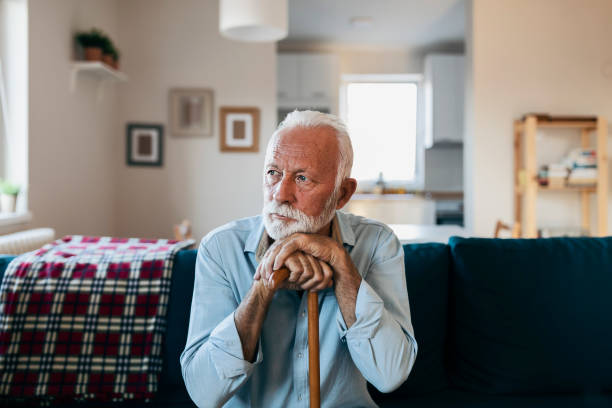
Veteran homelessness is an issue that often remains hidden in plain sight. While many Australians associate military service with resilience, discipline and mateship, the reality for some veterans after leaving the Australian Defence Force (ADF) is far more complex. Across Australia, former serving members face a unique set of challenges that can place them at risk of housing instability - and in the worst cases, homelessness.
Understanding why veteran homelessness occurs, and what can be done to prevent it, requires looking beyond surface-level assumptions. It is a deeply systemic issue, shaped by service-related trauma, gaps in transition support, financial stress, family breakdown, and barriers to accessing timely help. For organisations like Wounded Heroes Australia, addressing these challenges means not only responding to crisis situations, but also advocating for long-term, practical solutions that restore stability and dignity.
Why veterans are at risk of homelessness
Leaving Defence is not simply a change of job - it is a complete life transition. For many veterans, the ADF provided structure, housing, income security, healthcare, identity and community. When that framework is removed, the adjustment can be overwhelming, particularly for those leaving due to injury, illness or medical discharge.
One of the most significant risk factors is mental health. Conditions such as post-traumatic stress disorder (PTSD), depression and anxiety are more prevalent among veterans than the general population. These conditions can make it difficult to maintain employment, manage finances, sustain relationships or navigate complex government systems. Without early intervention, mental health challenges can escalate into housing instability.
Financial stress is another major contributor. Some veterans experience delays or complications in accessing entitlements, compensation or support through the Department of Veterans’ Affairs (DVA). Others may struggle to translate military skills into civilian employment quickly, resulting in reduced income or job insecurity. When rent, bills and living costs pile up, housing can become the first casualty.
Social isolation also plays a powerful role. The loss of unit cohesion and military community can leave veterans feeling disconnected and unsupported. Without strong social networks or family support, there may be no safety net to catch them when things begin to unravel.
The impact of homelessness on veterans and families
Homelessness does not occur in isolation, and its impact extends far beyond the individual. Veterans experiencing housing insecurity often face worsening mental health, increased substance use, and declining physical wellbeing. The stress of not knowing where you will sleep can compound existing trauma and create new layers of distress.
Families are also deeply affected. Partners and children may experience instability, disrupted schooling, emotional strain and financial hardship. In some cases, family breakdown occurs not because of a lack of care, but because the pressures become unmanageable without adequate support.
For veterans who have served their country, homelessness can be particularly devastating. Many experience shame or reluctance to ask for help, believing they should be able to cope on their own. This stigma can delay intervention until the situation reaches crisis point.
Systemic gaps that contribute to veteran homelessness
While Australia has support systems in place for veterans, gaps still exist. One of the most common issues is timing. Support that arrives too late - after eviction notices, utility disconnections or relationship breakdown - is far less effective than early, preventative assistance.
Another challenge is complexity. Navigating multiple agencies, applications and eligibility criteria can be daunting, particularly for veterans dealing with mental health challenges. Without advocacy or guidance, some fall through the cracks entirely.
Short-term solutions also present limitations. Emergency accommodation is vital, but without pathways to stable housing, employment and ongoing support, veterans may cycle through crisis services without long-term resolution.
Practical solutions that make a real difference
Preventing and addressing veteran homelessness requires a holistic, community-driven approach - one that combines immediate relief with long-term support.
Early intervention is critical. Providing emergency financial assistance for rent, utilities or essential expenses can prevent a temporary setback from becoming full-scale homelessness. Acting quickly often means the difference between stability and crisis.
Housing support must be paired with wraparound services. Mental health care, case management, employment support and family assistance all play essential roles in helping veterans rebuild their lives. Stable housing provides the foundation, but sustainable recovery requires ongoing support.
Community-based organisations are uniquely positioned to deliver this kind of care. Groups like Wounded Heroes Australia understand the veteran experience and can respond with empathy, flexibility and urgency. By working closely with veterans and their families, support can be tailored to real-life needs rather than one-size-fits-all solutions.
Advocacy also matters. Raising awareness of veteran homelessness helps challenge misconceptions and ensures the issue remains visible to policymakers, funders and the wider community. When veterans’ voices are heard, systems can evolve to better meet their needs.
The role of the community in ending veteran homelessness
Veteran homelessness is not an issue that charities can solve alone. Community involvement plays a vital role in creating lasting change. Public donations help fund immediate relief, housing assistance and support services that save lives and keep families together.
Volunteering and fundraising strengthen the network of care around veterans, while corporate partnerships and sponsorships enable programs to expand and reach more people in need. Even sharing information, checking in on a struggling mate, or encouraging someone to seek help can have a powerful impact.
Most importantly, community engagement helps reduce stigma. When Australians recognise that homelessness among veterans is a systemic issue — not a personal failure - it becomes easier for those struggling to ask for help before reaching breaking point.
Moving forward with compassion and action
Understanding the challenges of homelessness among veterans is the first step toward meaningful change. Behind every statistic is a person who has served, sacrificed and deserves stability, respect and support.
By addressing systemic causes, providing early intervention, and fostering strong community involvement, it is possible to prevent homelessness and help veterans rebuild secure, hopeful futures. Organisations like Wounded Heroes Australia remain committed to standing beside veterans and their families during their most difficult moments — but lasting impact depends on collective action.
Ending veteran homelessness is not just about providing a roof over someone’s head. It is about restoring dignity, rebuilding trust, and ensuring that those who served Australia are never left behind when they need support the most.