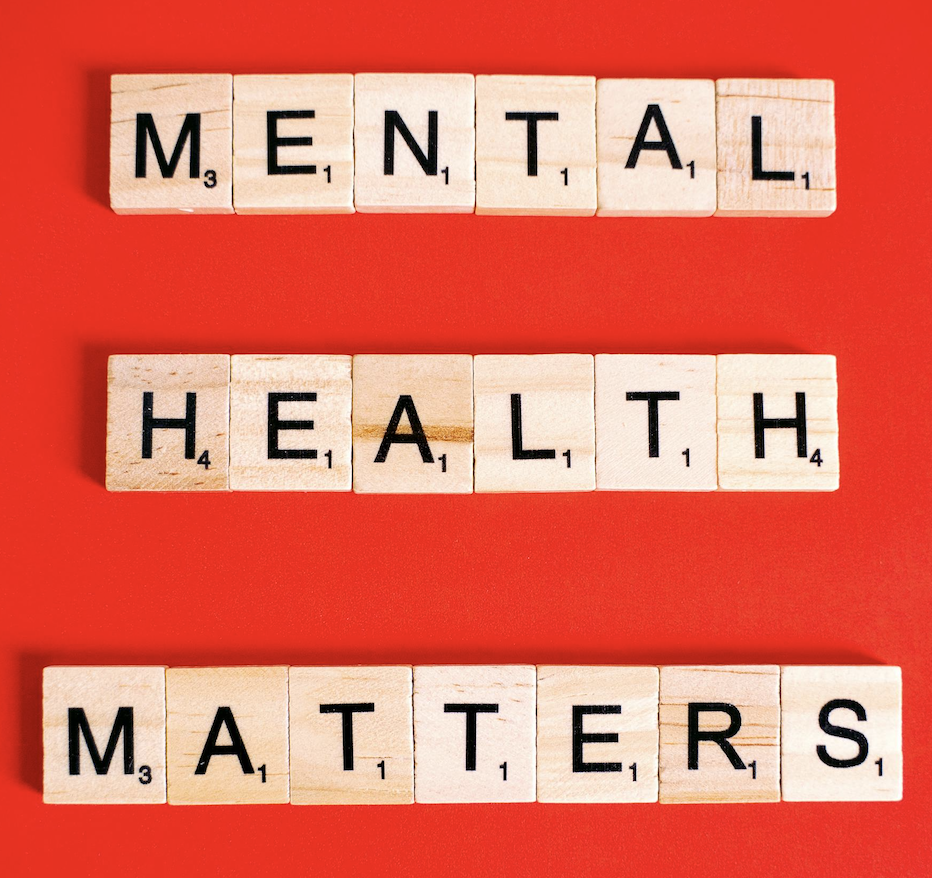
For many veterans, the most difficult battles are fought long after service ends. Mental health challenges such as post-traumatic stress disorder (PTSD), depression, and anxiety can affect veterans at any stage of life, yet these experiences are often misunderstood or spoken about in hushed tones. Stigma remains one of the biggest barriers preventing veterans from seeking support. Challenging that stigma is not just important - it is essential.
Open conversations and strong community support can change lives. By understanding veteran mental health and talking about it honestly, we can create environments where seeking help is seen as strength, not weakness.
Understanding Veteran Mental Health
Military service exposes individuals to high-stress environments, prolonged periods of alertness, and, for some, traumatic events. While many veterans transition successfully, others carry the psychological impact of service long after leaving the Defence Force.
PTSD, depression, and anxiety are not signs of failure. They are health conditions that can develop as a result of exposure to extreme or prolonged stress. These conditions can affect sleep, relationships, work, and overall quality of life. Importantly, they can also coexist - making daily functioning more challenging.
Mental health struggles are not always immediately visible. Many veterans continue to work, care for families, and appear outwardly capable while dealing with significant internal distress.
The Role of Stigma
Stigma thrives in silence. For veterans, stigma can be reinforced by cultural expectations of toughness, self-reliance, and resilience. While these traits are valuable in service, they can make it difficult to admit vulnerability or ask for help.
Stigma may look like:
-
Fear of being judged or misunderstood
-
Belief that mental health struggles are a personal weakness
-
Worry about burdening family or peers
-
Concern about how seeking help may affect reputation or employment
These beliefs can delay or prevent veterans from accessing support, allowing issues to worsen over time. Breaking down stigma requires acknowledging that mental health is as important as physical health—and deserves the same care and attention.
Why Open Conversation Matters
Talking openly about mental health helps normalise experiences that many veterans share. When mental health is discussed without judgement, it reduces shame and encourages early support.
Open conversation:
-
Helps veterans feel less alone
-
Encourages help-seeking behaviour
-
Educates families and communities
-
Reduces misinformation and stereotypes
When veterans hear others speak openly about PTSD or depression, it can validate their own experiences and reassure them that recovery is possible. Conversations don’t need to be dramatic or clinical - sometimes, simply asking “How are you really going?” can open the door.
The Impact on Families and Relationships
Mental health challenges don’t affect veterans in isolation. Partners, children, and families often feel the ripple effects. Mood changes, withdrawal, sleep disruption, and emotional distance can strain relationships and household stability.
When stigma prevents open discussion, families may feel confused or helpless. Honest communication allows families to better understand what their loved one is experiencing and how to support them. It also encourages families to seek support for themselves, which is equally important.
The Power of Community Support
Community support plays a vital role in veteran mental health. Beyond clinical treatment, feeling understood and supported by others can significantly improve wellbeing.
Community support may include:
-
Peer support from other veterans
-
Family and community education
-
Access to counselling and wellbeing programs
-
Safe spaces for connection and conversation
When communities actively support veteran mental health, they help reduce isolation and create pathways to recovery. Support doesn’t require expertise—compassion, understanding, and willingness to listen go a long way.
Challenging Myths Around PTSD and Depression
Misconceptions about mental health can reinforce stigma. It’s important to challenge common myths, such as:
-
PTSD only affects combat veterans
-
People with depression are weak or unmotivated
-
Mental health conditions are permanent and untreatable
In reality, mental health conditions vary widely in severity and presentation. Many veterans manage symptoms effectively with the right support, treatment, and understanding. Recovery is not linear, but it is possible.
Education and awareness help dismantle these myths and create more inclusive, supportive environments.
How We Can All Help Reduce Stigma
Challenging stigma is a shared responsibility. Everyone has a role to play in creating safer conversations around veteran mental health.
You can help by:
-
Listening without judgement
-
Speaking openly about mental health when appropriate
-
Encouraging help-seeking behaviour
-
Supporting veteran-focused organisations
-
Checking in on veterans and their families
Small actions can have a significant impact. When people feel safe to talk, they are more likely to seek support early - before challenges escalate.
The Importance of Early Support
Early intervention can prevent mental health challenges from becoming crises. When stigma is reduced, veterans are more likely to reach out at the first signs of difficulty. This can improve outcomes, strengthen relationships, and reduce long-term hardship.
Support doesn’t end with the individual. Families, workplaces, and communities all benefit when mental health is addressed openly and compassionately.
Closing Thoughts
Challenging stigma around veteran mental health starts with understanding and empathy. PTSD, depression, and anxiety are not weaknesses - they are human responses to extraordinary circumstances. Veterans deserve the same care, respect, and support for mental health as they do for physical injuries.
Open conversation and community support create pathways to healing. By listening, learning, and standing alongside veterans and their families, we help ensure no one feels alone in their struggle.
Support for veterans experiencing mental health challenges is available through Wounded Heroes Australia. By fostering understanding and connection, we can help build a community where mental health is spoken about openly, support is accessible, and veterans feel empowered to seek help when they need it most.