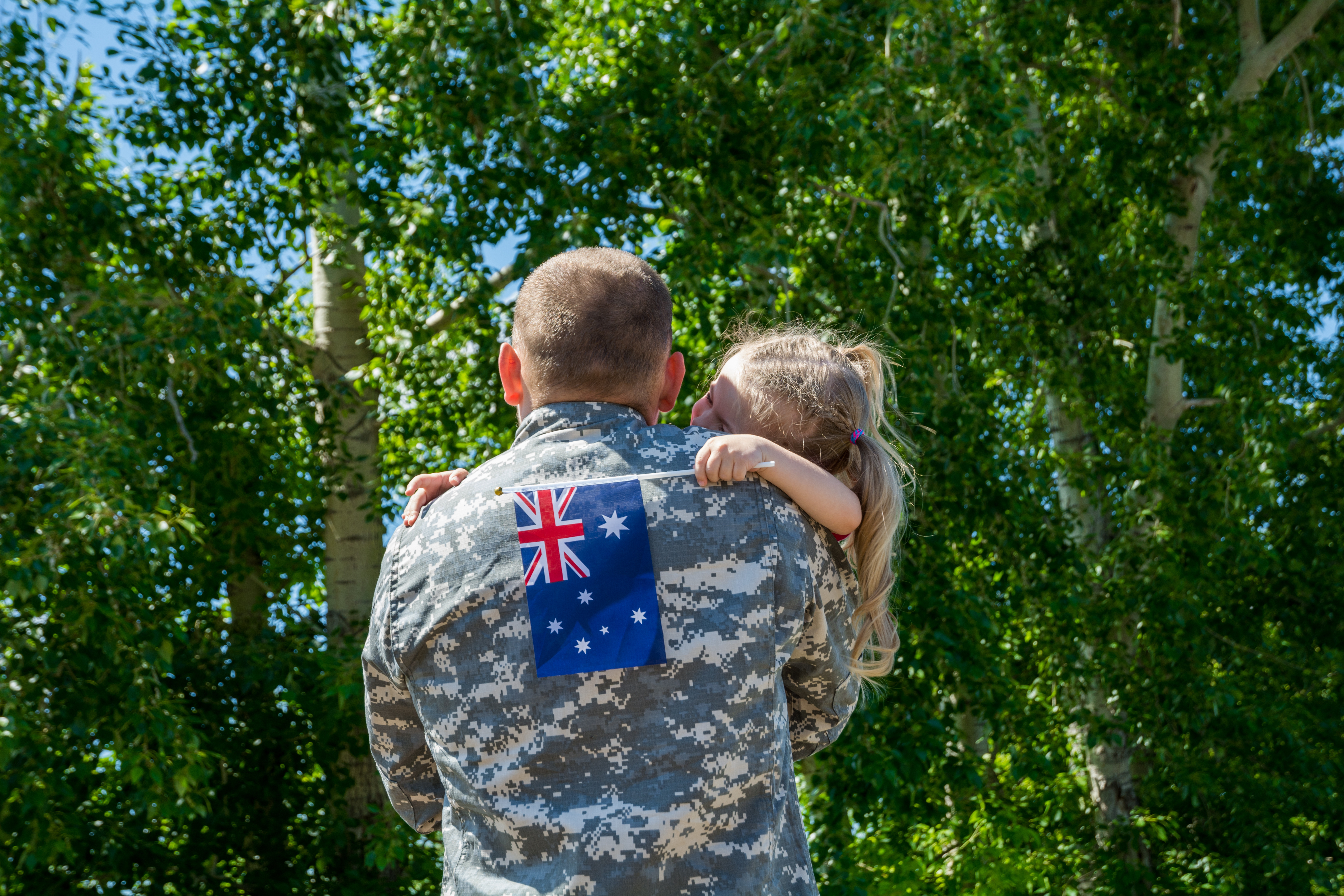
When we think about military service, we often focus on the individual who wears the uniform. Increasingly, we recognise the role of partners and families. Yet one group often remains overlooked - the children of veterans.
These young people grow up in environments shaped by service, transition, and, at times, ongoing challenges linked to military life. While many show remarkable resilience, their experiences are not always visible or fully understood. Recognising the unique challenges faced by children of veterans is an important step toward providing the support they need to thrive.
Growing Up in a Military Family
For children, military life can bring both opportunity and disruption. Frequent relocations, long periods of separation from a parent, and the uncertainty that comes with deployments can shape childhood in ways that differ from their peers.
Moving between cities or states often means changing schools, leaving behind friendships, and constantly adapting to new environments. While some children develop strong adaptability and independence, others may struggle with stability and a sense of belonging.
When a parent is deployed, children may experience worry, confusion, or anxiety, particularly if they are too young to fully understand the situation. Even after service ends, these early experiences can influence emotional development and relationships.
The Impact of Transition on Children
The transition from the Australian Defence Force (ADF) to civilian life affects the entire household. While much attention is given to the veteran, children also experience significant change during this period.
Routines may shift, financial pressures can arise, and family dynamics may evolve. A parent adjusting to life after service - particularly if dealing with physical injury or mental health challenges - can change the emotional environment at home.
Children are often highly perceptive. They may sense stress, tension, or uncertainty even if it is not openly discussed. Without the right support, this can lead to feelings of insecurity or confusion.
Emotional and Behavioural Challenges
Children of veterans may face a range of emotional and behavioural challenges, many of which go unnoticed or are misunderstood.
Some common experiences include:
-
Anxiety or worry, particularly related to a parent’s wellbeing
-
Difficulty expressing emotions or understanding changes at home
-
Behavioural changes at school or in social settings
-
Withdrawal or difficulty forming long-term friendships
-
A heightened sense of responsibility within the household
These challenges do not affect every child, but when they do arise, they can have a lasting impact if not addressed early.
Living with Invisible Wounds
When a veteran experiences conditions such as post-traumatic stress disorder (PTSD), depression, or anxiety, children may be indirectly affected. Changes in mood, sleep patterns, or behaviour can alter the family dynamic, sometimes creating an unpredictable environment.
Children may not fully understand what is happening, but they can feel the effects. They might take on a caregiving role, try to “keep the peace,” or internalise stress. In some cases, they may feel isolated, particularly if they believe their situation is different from that of their peers.
Open communication, age-appropriate explanations, and access to support services can help children better understand and cope with these challenges.
The Strengths Often Overlooked
While it is important to acknowledge the difficulties, it is equally important to recognise the strengths many children of veterans develop.
These may include:
-
Resilience and adaptability
-
Strong problem-solving skills
-
Empathy and emotional awareness
-
Independence and maturity beyond their years
These qualities can serve children well throughout their lives. However, resilience should not be mistaken for a lack of need for support. Even the most capable children benefit from stability, understanding, and connection.
The Importance of Support Systems
Support for children of veterans must be intentional. Unlike adults, children may not actively seek help or recognise when they need it. This makes early support and proactive engagement essential.
Effective support can include:
-
Access to counselling or child-focused mental health services
-
School-based support and understanding from teachers
-
Community programs designed for veteran families
-
Opportunities to connect with other children in similar situations
When children realise they are not alone, it can significantly reduce feelings of isolation and help them build confidence in navigating their experiences.
Supporting the Whole Family
Children’s wellbeing is closely tied to the wellbeing of the family unit. Supporting parents - particularly veterans and their partners - has a direct impact on children.
Stable housing, financial security, and access to mental health support all contribute to a healthier environment for children. When families are supported holistically, children are more likely to feel safe, secure, and able to focus on their own development.
Open communication within the family is also key. Encouraging children to ask questions, express feelings, and participate in conversations helps build trust and emotional resilience.
The Role of Community
Communities play an important role in supporting children of veterans. Awareness is the first step. When schools, local organisations, and community members understand the unique challenges faced by these families, they are better equipped to provide meaningful support.
Simple actions can make a difference:
-
Creating inclusive environments where children feel welcome
-
Recognising and responding to signs of stress or change
-
Encouraging participation in community activities
-
Supporting organisations that work with veteran families
By fostering a culture of understanding and inclusion, communities can help ensure that children of veterans feel seen, supported, and valued.
Looking Ahead
Children of veterans are an important part of the broader Defence community. Their experiences, while often unseen, shape their development and future in meaningful ways.
By acknowledging the challenges they face and providing appropriate support, we can help ensure these children have the same opportunities to thrive as any other young person. Early intervention, strong support systems, and community awareness all play a role in creating positive outcomes.
Closing Thoughts
Behind every veteran is a family, and within that family are children whose experiences matter. While they may not wear a uniform, they share in the journey of service, transition, and recovery in their own way.
Recognising the unseen challenges faced by children of veterans is an important step toward building stronger, healthier families. With understanding, support, and connection, these children can grow not only with resilience, but with confidence, stability, and a sense of belonging.
When we support children, we support the future - not just of veteran families, but of the communities they are part of.