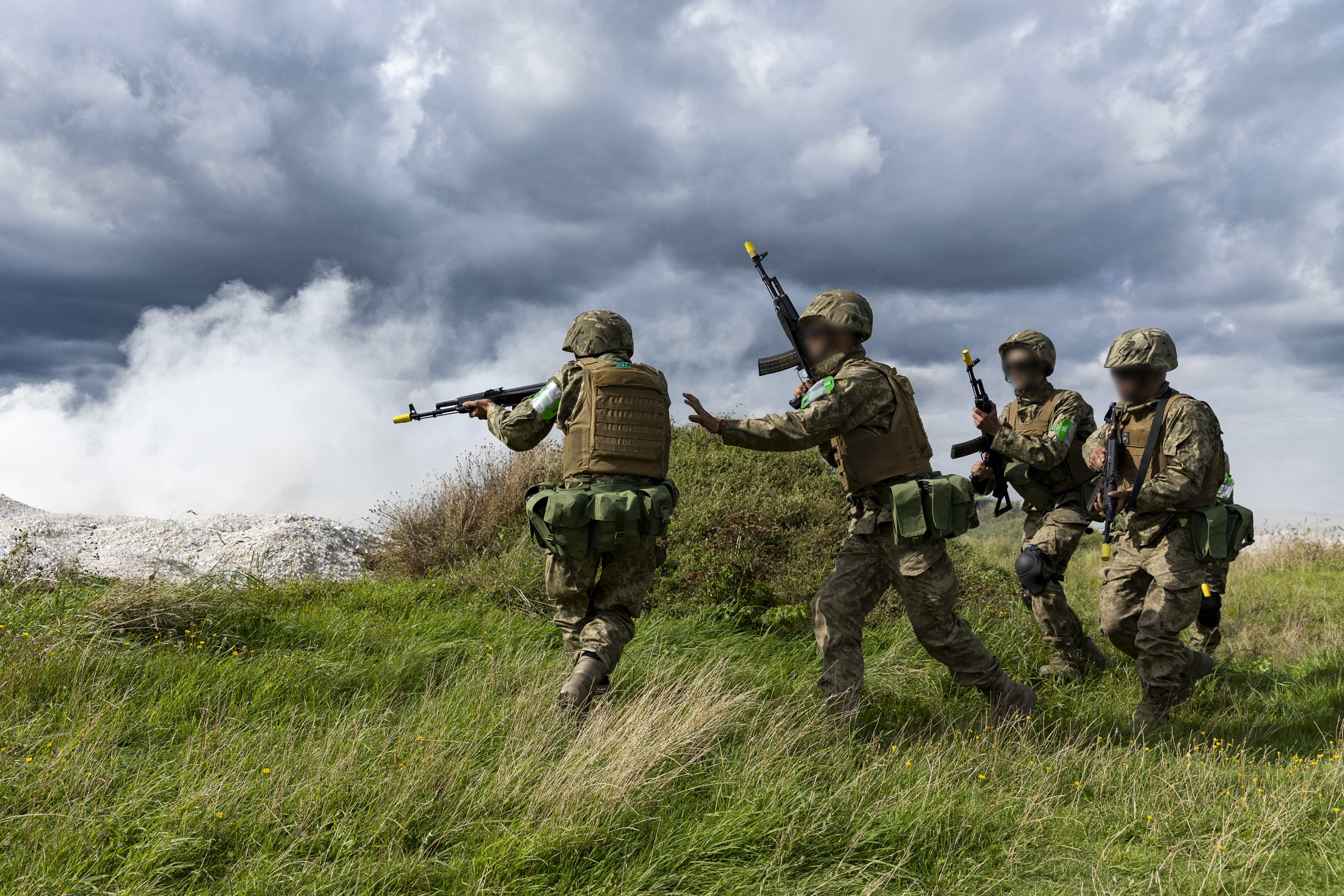
Despite growing awareness around mental health in Australia, many veterans still do not seek help when they need it most. This is not due to a lack of services or support options — in many cases, it is rooted in deeper cultural, psychological and systemic factors that shape how veterans view help-seeking.
Understanding these barriers is critical. For organisations, communities and policymakers, addressing the “why” behind this reluctance is the first step towards creating solutions that truly work. Because when veterans don’t ask for help, the consequences can be significant — not just for individuals, but for families and communities as a whole.
The Reality: Help Exists, But Isn’t Always Accessed
Australia has made substantial progress in providing mental health services and support programs for veterans. From counselling and housing assistance to peer support and crisis intervention, resources are available.
However, utilisation remains a challenge. Many veterans delay seeking help until they reach crisis point — if they seek help at all.
This gap between availability and engagement highlights a key issue: access alone is not enough. We must address the underlying reasons why veterans hesitate to reach out.
Understanding the Barriers to Help-Seeking
1. Military Culture and Self-Reliance
Military training instils resilience, discipline and self-reliance — qualities that are essential during service. However, these same traits can become barriers in civilian life.
Veterans are often conditioned to:
- Push through pain or discomfort
- Prioritise mission over personal needs
- Avoid showing vulnerability
As a result, asking for help can feel like a failure rather than a strength.
2. Stigma Around Mental Health
Although attitudes are shifting, stigma still plays a significant role. Some veterans worry that admitting they are struggling may be perceived as weakness or may impact how others see them.
This internalised stigma can lead to silence, even when support is urgently needed.
3. Fear of Being Misunderstood
Many veterans feel that civilians — including some professionals — cannot fully understand their experiences.
This perception creates hesitation:
- “They won’t get it.”
- “I’ll have to explain everything.”
- “It’s easier not to talk about it.”
Without a sense of shared understanding, the idea of opening up can feel exhausting or pointless.
4. Loss of Identity and Purpose
Transitioning out of the military often involves a loss of structure, identity and belonging. This can impact confidence and self-worth.
When individuals are already struggling with identity, reaching out for help may feel overwhelming or even intimidating.
5. Complex or Fragmented Systems
Navigating support services can be confusing. Veterans may need to interact with multiple organisations to access different types of support.
Barriers include:
- Unclear pathways to care
- Administrative complexity
- Long wait times
These obstacles can discourage individuals from engaging at all.
6. Isolation and Disconnection
Social isolation is both a cause and consequence of not seeking help. Without strong support networks, veterans may lack encouragement or awareness of available resources.
Isolation reinforces the belief that they must handle challenges alone.
The Consequences of Delayed Help-Seeking
When veterans do not seek help early, issues can escalate. What might begin as mild stress or adjustment difficulties can develop into more serious mental health challenges.
Potential outcomes include:
- Increased risk of anxiety, depression or PTSD
- Strain on relationships and family dynamics
- Difficulty maintaining employment or housing
- Greater likelihood of crisis situations
This highlights the importance of shifting from reactive to proactive support.
How We Can Change the Narrative
Changing help-seeking behaviour requires more than awareness campaigns — it requires a cultural shift, supported by practical, accessible solutions.
1. Reframing Help-Seeking as Strength
One of the most effective ways to reduce stigma is to change the narrative. Seeking help should be positioned as a sign of strength, not weakness.
Messaging should emphasise:
- Courage in speaking up
- Responsibility in looking after one’s wellbeing
- The value of early intervention
Veteran-led stories and testimonials are particularly powerful in reinforcing this message.
2. Expanding Peer Support Networks
Peer support is one of the most effective ways to engage veterans. Connecting with others who share similar experiences reduces barriers and builds trust.
Peer programs can:
- Encourage open conversations
- Provide relatable guidance
- Act as a bridge to professional services
When veterans hear “I’ve been there too,” it creates an immediate sense of connection.
3. Simplifying Access to Services
Reducing complexity is key. Support systems should be easy to navigate, with clear pathways and minimal barriers.
Strategies include:
- Centralised access points
- Streamlined referral processes
- Clear, jargon-free communication
The easier it is to access help, the more likely individuals are to engage.
4. Building Trust Through Community
Community-based initiatives play a critical role in normalising help-seeking. Informal settings — such as coffee catch-ups, social groups or community events — provide low-pressure opportunities for connection.
These environments:
- Reduce intimidation
- Foster trust over time
- Create natural pathways to support
5. Training Professionals in Veteran Awareness
Ensuring that service providers understand veteran experiences is essential. This includes cultural competency, trauma awareness and communication approaches that resonate with veterans.
When veterans feel understood, they are more likely to engage.
6. Proactive Outreach and Early Intervention
Rather than waiting for veterans to seek help, outreach initiatives can bring support directly to them.
Examples include:
- Check-in programs
- Community outreach events
- Digital engagement strategies
Proactive approaches reduce the burden on individuals to take the first step.
The Role of Marketing and Communication
From a marketing perspective, the way support is communicated can significantly influence engagement.
Speak Their Language
Messaging should reflect the values and experiences of veterans. Authentic, relatable language is far more effective than generic mental health messaging.
Use Targeted SEO Strategies
Optimise content using keywords such as:
- “veteran mental health support Australia”
- “why veterans don’t seek help”
- “support services for veterans near me”
This ensures that when veterans do search for help, they can easily find relevant resources.
Leverage Digital and Community Channels
Combine online platforms with community outreach to maximise reach. Social media, email campaigns and local partnerships all play a role.
Highlight Real Impact
Sharing success stories and outcomes builds trust and demonstrates the effectiveness of support services.
The Path Forward
Encouraging veterans to seek help is not about changing who they are — it is about adapting systems and messaging to better align with their experiences and values.
By addressing stigma, simplifying access and strengthening peer connections, we can create an environment where asking for help feels natural, not difficult.
Final Thoughts
Veterans have spent their lives serving others. Ensuring they feel supported in return is a shared responsibility.
When we understand why veterans don’t always ask for help, we can begin to remove the barriers that stand in the way.
Because the goal is not just to make help available — it is to make it accessible, acceptable and effective.
And when that happens, more veterans will feel empowered to take the first step towards support, recovery and long-term wellbeing.