In an increasingly fast-paced and digitally driven world, genuine human connection is becoming both more valuable and, paradoxically, harder to access. Across Australia, communities are rediscovering the power of local connection through community events and social spaces - from casual coffee catch-ups to organised community lunches and social groups. These shared experiences are more than just pleasant ways to pass the time; they are vital tools in reducing isolation and supporting mental wellbeing.
For organisations, community leaders, and marketers alike, understanding the impact of these initiatives is essential. Not only do they strengthen communities, but they also contribute to healthier, more resilient individuals.
Why Social Connection Matters for Mental Wellbeing
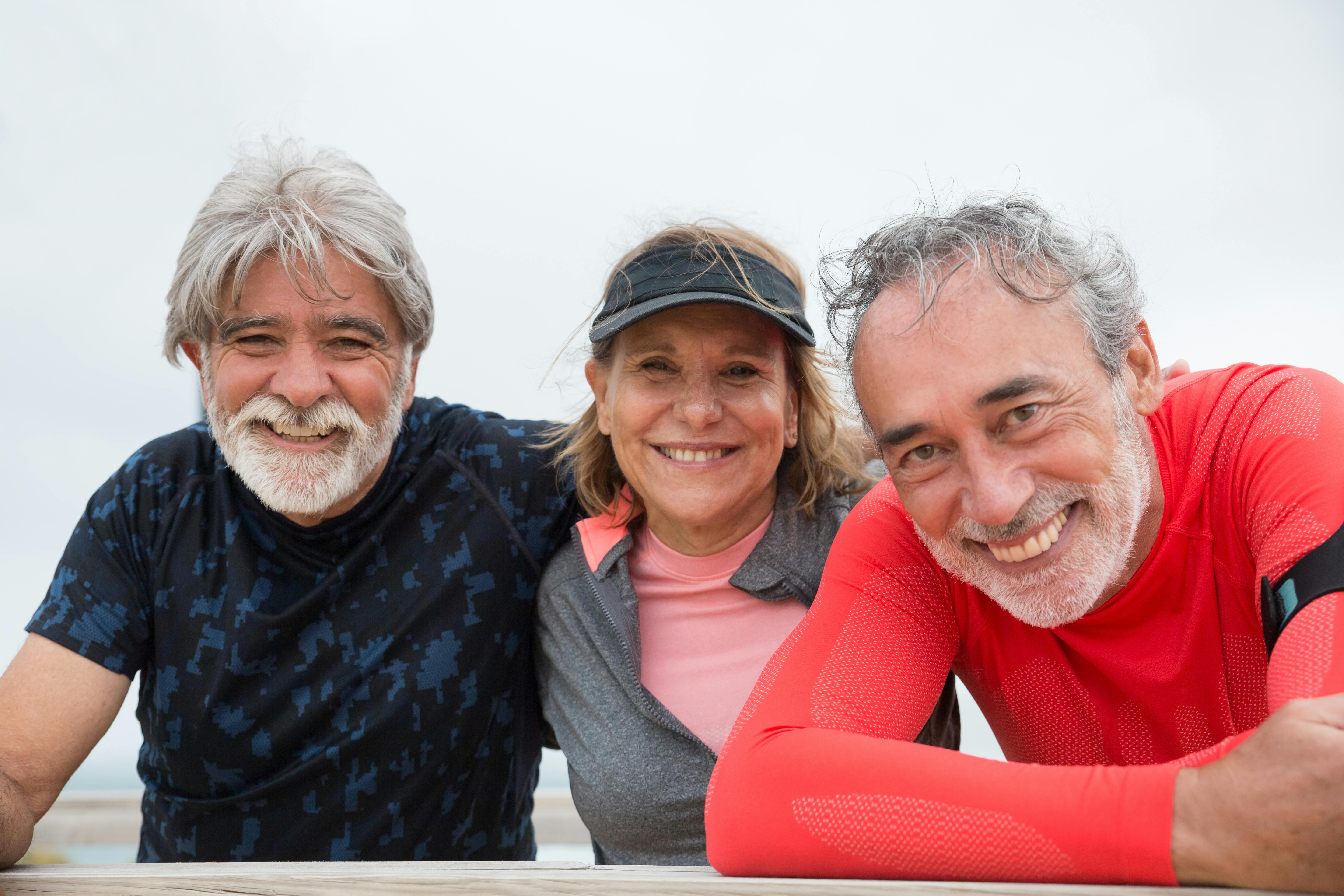
Human beings are inherently social. Strong social connections are linked to lower levels of anxiety and depression, improved self-esteem, and even longer life expectancy. Conversely, social isolation can have serious consequences, including increased stress, poor mental health, and a higher risk of chronic illness.
In Australia, loneliness is increasingly recognised as a public health concern. Whether it’s older adults living alone, veterans transitioning to civilian life, or individuals experiencing major life changes, the need for meaningful connection is universal.
Community events and social spaces provide a practical and accessible solution. They create opportunities for people to engage, share experiences, and build relationships in a supportive environment.
The Role of Community Events in Building Connection
Community events act as a catalyst for social interaction. They bring people together around a shared purpose, making it easier to start conversations and form connections.
1. Breaking Down Barriers
Events such as community barbecues, local markets, or neighbourhood gatherings create a relaxed atmosphere where people feel comfortable engaging with others. These informal settings reduce social pressure and make participation more approachable, especially for those who may feel anxious or hesitant.
2. Encouraging Regular Engagement
Recurring events - such as weekly coffee meet-ups or monthly community lunches - help build routine and consistency. This regular interaction is key to forming lasting relationships and creating a sense of belonging.
3. Fostering Inclusivity
Well-designed community events are inclusive and welcoming to people from all walks of life. By catering to diverse interests and backgrounds, they ensure that everyone has a place to connect.
Social Spaces: The Foundation of Ongoing Connection
While events are important, ongoing access to social spaces is equally critical. These spaces provide a consistent environment where connections can deepen over time.
Coffee Meet-Ups: Small Moments, Big Impact
Something as simple as sharing a coffee can have a profound effect on mental wellbeing. Coffee meet-ups offer a low-pressure way to connect, making them ideal for individuals who may feel overwhelmed by larger gatherings.
These interactions:
- Encourage open conversation
- Build trust over time
- Provide emotional support in a relaxed setting
Community Lunches: Sharing Food, Sharing Stories
Food has always been a powerful connector. Community lunches bring people together in a meaningful way, fostering a sense of belonging and shared experience.
They also provide structure, which can be particularly beneficial for individuals who may struggle with routine or motivation.
Social Groups: Finding Your Tribe
From hobby groups to support networks, social groups allow individuals to connect over shared interests or experiences. This common ground helps build deeper, more meaningful relationships.
Examples include:
- Walking groups
- Veteran support groups
- Creative workshops
- Sports and fitness groups
The Mental Health Benefits of Community Connection
Engaging in community events and social spaces offers a range of mental health benefits.
Reduced Feelings of Isolation
Regular social interaction helps individuals feel seen, heard, and valued. This sense of connection can significantly reduce feelings of loneliness.
Improved Emotional Resilience
Being part of a community provides a support network during challenging times. Knowing that others are there to listen and offer support builds emotional strength.
Increased Sense of Purpose
Participating in community activities gives individuals a reason to get out, engage, and contribute. This sense of purpose is a key factor in overall wellbeing.
Enhanced Confidence and Social Skills
For those who may feel socially isolated, community events provide a safe environment to practise and rebuild social confidence.
Best Practices for Creating Impactful Community Events
For organisations and community leaders looking to maximise impact, thoughtful planning is essential.
1. Understand Your Audience
Identify the needs and preferences of your community. Are they looking for casual connection, structured support, or both?
2. Keep It Accessible
Choose locations that are easy to reach and ensure events are affordable or free. Accessibility is key to inclusivity.
3. Create a Welcoming Environment
First impressions matter. Friendly hosts, clear communication, and a relaxed atmosphere can make all the difference.
4. Promote Consistency
Regularly scheduled events help build trust and encourage ongoing participation.
5. Encourage Participation
Create opportunities for attendees to contribute, whether it’s bringing a dish, sharing a story, or helping organise activities.
Marketing Community Events for Maximum Reach
From an SEO and marketing perspective, promoting community events effectively ensures they reach those who need them most.
Use Local SEO Strategies
Incorporate location-based keywords such as “community events in Brisbane” or “local social groups near me” to improve visibility in search results.
Leverage Social Media
Platforms like Facebook and Instagram are powerful tools for promoting events and building community engagement.
Optimise for Search Intent
Create content that answers common questions, such as:
- “How to meet new people in my area”
- “Ways to reduce loneliness in Australia”
- “Community groups for mental health support”
Share Real Stories
Testimonials and success stories build trust and demonstrate the real impact of your initiatives.
The Future of Community Connection
As awareness of mental health continues to grow, the importance of community-driven solutions will only increase. Organisations that invest in creating meaningful social experiences will play a crucial role in shaping healthier, more connected communities.
Whether it’s a simple coffee catch-up or a large-scale community event, every opportunity for connection matters. By fostering spaces where people feel welcome, valued, and supported, we can collectively reduce isolation and improve mental wellbeing across Australia.
Final Thoughts
Community events and social spaces are not just ‘nice-to-have’ initiatives - they are essential for mental wellbeing. In a world where isolation is becoming more common, creating opportunities for connection is one of the most impactful things we can do.
For individuals, it starts with showing up. For organisations and leaders, it starts with creating the spaces that make those connections possible.
Because sometimes, all it takes is a coffee, a conversation, and a sense of belonging to change a life.