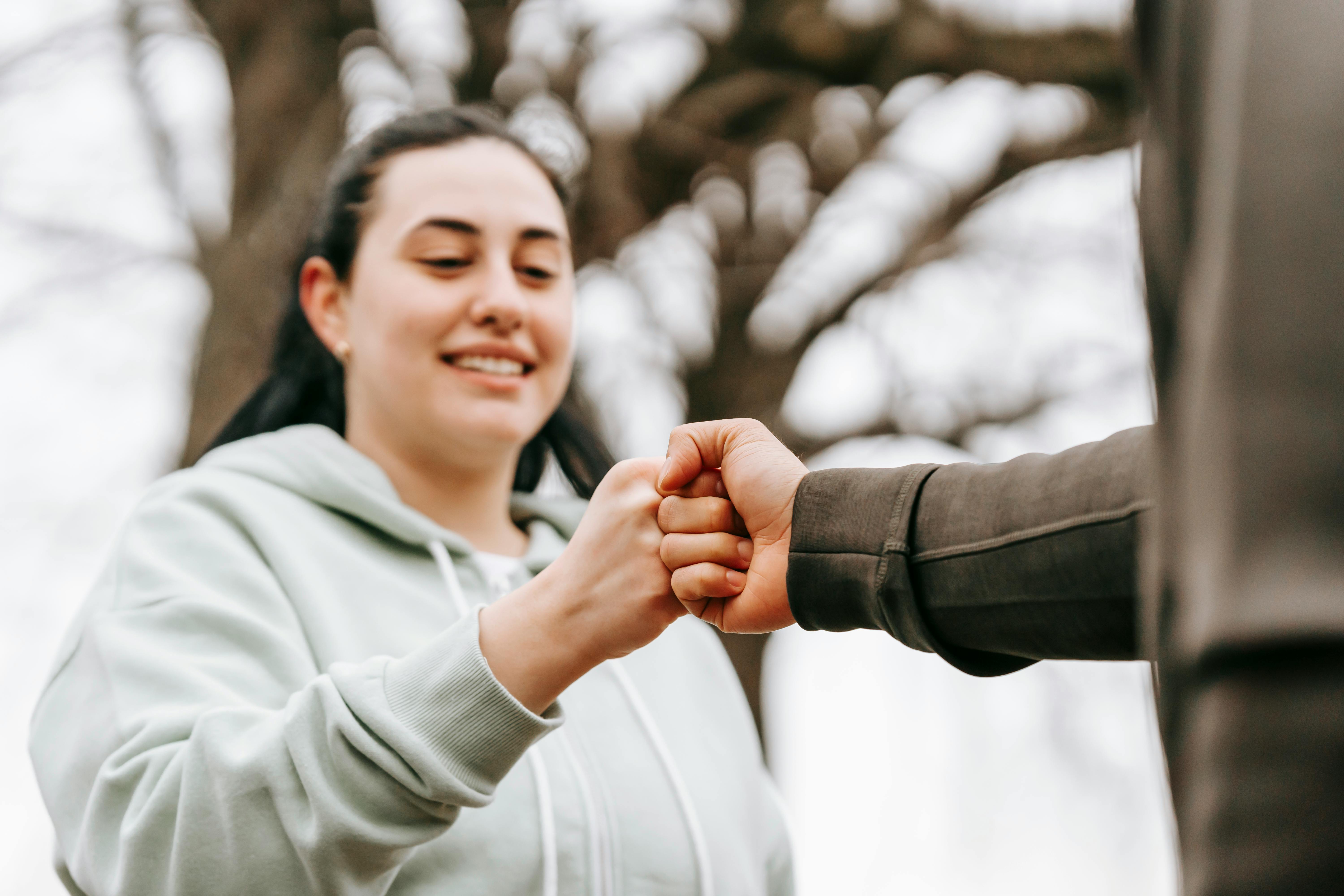
In the landscape of mental health support, few approaches are as powerful - and as underutilised - as peer support. For veterans in Australia, the transition from military to civilian life can bring unique psychological, emotional and social challenges. While clinical services remain essential, there is growing recognition that recovery and resilience are often strengthened through connection with others who truly understand.
Peer support, grounded in empathy and shared lived experience, plays a critical role in both mental health recovery and the prevention of crisis among veterans. For organisations, community leaders and policymakers, investing in peer-led initiatives is not just beneficial - it is essential.
Understanding the Veteran Experience
To appreciate the value of peer support, it’s important to understand the distinct experiences veterans carry with them. Military service often involves high-pressure environments, strong camaraderie, and a clear sense of identity and purpose. Leaving that structure can create a profound shift.
Many veterans face:
- Loss of identity and purpose
- Difficulty reintegrating into civilian life
- Exposure to trauma or high-stress situations
- Challenges in communicating experiences to those without similar backgrounds
Traditional support systems, while valuable, may not תמיד fully bridge this gap. This is where peer support becomes transformative.
What Is Peer Support?
Peer support refers to support provided by individuals who share similar lived experiences. In the veteran context, it means veterans supporting other veterans.
Unlike formal clinical relationships, peer support is built on mutual understanding, trust and equality. It creates a space where individuals feel safe to share without fear of judgement or misunderstanding.
The Role of Empathy in Mental Health Recovery
Empathy is at the heart of effective peer support. For veterans, being heard by someone who has walked a similar path can be profoundly validating.
1. Breaking Down Barriers to Help-Seeking
One of the biggest challenges in veteran mental health is reluctance to seek help. Stigma, pride, and fear of being misunderstood often prevent individuals from reaching out.
Peer support reduces these barriers by offering:
- A familiar and relatable environment
- Conversations without clinical pressure
- A sense of “being understood” without needing to explain everything
This relatability encourages earlier engagement, which is critical in preventing mental health issues from escalating.
2. Building Trust Through Shared Experience
Trust is a cornerstone of recovery. Veterans are more likely to open up to someone who understands the realities of service life.
Shared experiences create immediate credibility. Whether it’s discussing deployment, transition challenges, or everyday struggles, peer supporters can connect in ways others cannot.
3. Normalising Emotions and Experiences
Many veterans struggle with feelings of isolation, believing their experiences are unique or difficult to explain. Peer support helps normalise these feelings.
Hearing “I’ve been there too” can reduce shame, increase self-acceptance, and foster hope.
Peer Support as a Tool for Crisis Prevention
Beyond recovery, peer support plays a crucial role in early intervention and crisis prevention.
Early Identification of Warning Signs
Peers are often the first to notice changes in behaviour, mood or engagement. Because of established trust, they are well positioned to check in and offer support before issues escalate.
Encouraging Ongoing Engagement
Regular peer interactions - whether through group meet-ups, phone calls or online communities - create consistent touchpoints. These connections help maintain wellbeing and reduce the risk of isolation.
Bridging the Gap to Professional Support
Peer support does not replace clinical care; it complements it. Peer supporters can encourage individuals to seek professional help when needed and guide them through the process.
This “bridge” is critical, particularly for those who may otherwise avoid formal services.
The Unique Strength of Shared Veteran Experiences
The veteran community is built on shared values such as loyalty, resilience and teamwork. These values translate naturally into peer support environments.
A Sense of Belonging
Belonging is a fundamental human need. For many veterans, peer groups recreate the camaraderie experienced during service.
This sense of belonging can:
- Reduce loneliness
- Strengthen identity
- Provide emotional stability
Purpose Through Helping Others
Peer support is not only beneficial for those receiving support - it is equally powerful for those providing it.
Veterans who take on peer support roles often experience a renewed sense of purpose. Helping others can reinforce their own recovery and wellbeing.
Shared Language and Understanding
Veterans often communicate in ways shaped by their service. This shared language allows for deeper and more efficient communication, reducing the frustration of feeling misunderstood.
Best Practices for Building Effective Peer Support Programs
For organisations looking to implement or strengthen peer support initiatives, strategic planning is key.
1. Provide Training and Support
While lived experience is invaluable, peer supporters benefit from training in areas such as active listening, boundaries, and mental health awareness.
2. Foster Safe and Inclusive Spaces
Creating environments where veterans feel safe, respected and valued is essential. This includes both physical spaces and online communities.
3. Integrate with Professional Services
Strong collaboration between peer support programs and clinical services ensures a holistic approach to care.
4. Promote Accessibility
Make programs easy to access, whether through local community hubs, digital platforms, or outreach initiatives.
5. Measure Impact and Adapt
Regular evaluation helps ensure programs remain effective and responsive to the needs of the veteran community.
Marketing Peer Support Initiatives for Greater Impact
From a marketing perspective, communicating the value of peer support is critical to reaching those who need it most.
Use Authentic Storytelling
Real stories from veterans who have benefited from peer support are powerful. They build trust and demonstrate tangible outcomes.
Focus on Relatability
Messaging should reflect the lived experiences of veterans, using language that resonates with their identity and values.
Optimise for Search and Local Discovery
Incorporate SEO keywords such as:
- “veteran peer support Australia”
- “mental health support for veterans”
- “veteran support groups near me”
This ensures that individuals searching for help can easily find relevant resources.
Leverage Community Channels
Engage with veteran networks, social media groups, and local organisations to amplify reach.
The Future of Veteran Mental Health Support
As Australia continues to prioritise mental health, the role of peer support will only grow. Evidence consistently shows that connection, empathy and shared experience are powerful drivers of recovery.
For veterans, these elements are not optional - they are foundational.
Organisations that invest in peer-led initiatives are not only supporting individuals; they are strengthening entire communities.
Final Thoughts
Peer support is more than a program - it is a lifeline. Through empathy, shared experience and genuine connection, veterans can support one another in ways that no system alone can replicate.
By embracing and expanding peer support initiatives, we can create a future where fewer veterans face mental health challenges alone — and where more find the strength, understanding and community they need to thrive.